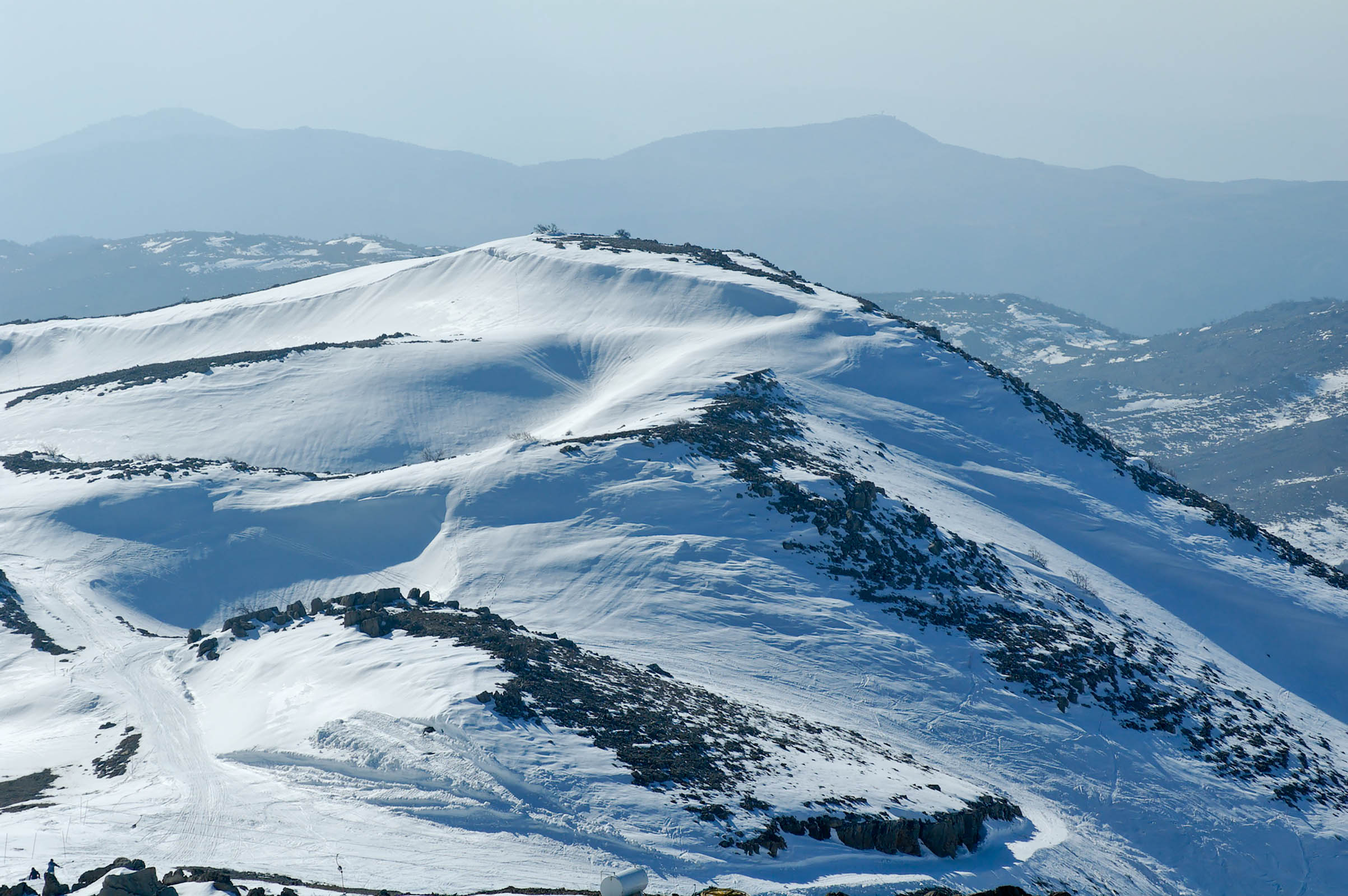
Mount Hermon with snow, © bibleplaces.com, used by permission.
THE QUIET DISCIPLINE OF FASTING
“And whenever you fast, do not look somber, like the hypocrites, for they mark their faces to show others that they are fasting. Truly I tell you, they have received their reward. But when you fast, put oil on your head and wash your face, so that your fasting may be seen not by others but by your Father who is in secret, and your Father who sees in secret will reward you."
Matthew 6:16-18
Throughout the Bible, fasting appears in moments of repentance, guidance, grief, and spiritual renewal. It was a normal practice in the early church; however, we are not very comfortable with fasting. Within the Restoration Movement (as well as other faith traditions), churches have stopped practicing fasting. Several historical and theological factors have contributed to this, such as a reaction against ritualism, cultural shifts toward more informal worship, and a general focus on other spiritual practices. In recent years, however, many are rediscovering fasting as an invaluable biblical spiritual discipline. Fasting is a way to deepen prayer, a tool for spiritual clarity, and a reminder of dependence on God. It is about making room for God to shape our hearts.
Jesus addresses fasting as a key spiritual practice. Just like giving and prayer earlier in the chapter (also key spiritual practices), Jesus assumes His followers will fast. And since He assumes we are fasting, He focuses on the heart behind it. Fasting was regularly practiced, often twice a week. Some people made it about themselves instead of about relationship with God. They made it obvious: unkempt hair, somber expressions, neglected appearance (“disfiguring their faces”); they looked miserable, hoping others would notice their sacrifice and admire their devotion. The goal was not deeper communion with God but public admiration for their piety. They received their reward: human praise and the fleeting satisfaction of appearing spiritual.
Jesus calls His followers to the opposite: fasting done in secret, with normal outward appearance. Why? Because fasting is not meant to impress people. It is meant to deepen our relationship with God. Jesus says that when we fast, we should go about our day normally—wash our face, care for ourselves, and avoid drawing attention to it. “Anoint your head and wash your face” means continue your daily hygiene and grooming, look joyful and put-together, so no one suspects you’re fasting. The practice remains between you and God alone. True fasting is not a performance; it is a private act of humility, dependence, and longing for God, often involving self-denial of food (or other things) to focus on prayer, repentance, seeking God’s guidance, or intercession. Fasting, practiced quietly, shifts our focus away from recognition and toward intimacy with God. In the hidden place, God meets us and shapes our hearts.
When fasting is hidden, it proves the heart’s motive: pleasing the Father, not people. And the Father, who sees what is done in secret, delights to reward such sincerity. Clearer spiritual insight, answered prayer, breakthrough in areas of struggle, deeper intimacy with God, or inner strength and joy that sustains through hardship—all are reasons to practice fasting. Jesus Himself fasted and did so without drawing attention to it. Through Jesus, fasting is a discipline strengthened by grace that draws us closer to the Father’s heart.
Heavenly Father, God of all provision,
You know the deepest hunger of our hearts. You see every hidden motive and every quiet sacrifice. Forgive us for times we have turned spiritual disciplines like fasting, prayer, or giving into ways to impress others or feel superior.
Thank You for Jesus, who fasted in humility and dependence, showing us the way to true communion with You. Teach us to fast with joy on our faces and trust in our hearts. Teach us to seek You more than comfort, routine, or recognition.
Draw us closer to You as we practice fasting and other spiritual disciplines. Let our quiet sacrifices open space for Your presence and transform our desires so that we long for You above all else. May our fasting be an honest cry for more of You—seeking Your will, Your strength, Your presence above all. Reward our secret devotion with the riches only You can give: closeness to You, transformed desires, and joy that doesn’t depend on human recognition or approval.
Amen.
Fasting is not about proving spiritual strength but about learning dependence on God’s presence; it is a way of creating space for God. By temporarily setting aside something we depend on—often food—we remind ourselves that our deepest hunger is spiritual. It becomes a physical way of saying, “God, I need You more than anything else.” It reminds us that what truly sustains us is not only what we consume, but the relationship we nurture with God. Fast from one meal, one comfort, or one habit today. As you fast you are offering your empty soul to God to be filled by Him. If you feel the urge to partake of what you are fasting from, pray quietly, "God, draw me nearer to You." When you break your fast, thank God for the opportunity to be close to Him.
In Scripture, fasting is a spiritual discipline meant to create space for deeper dependence on God. By stepping away from normal comforts, fasting helps us resist the pull of habits that dull our spiritual awareness. It is about reordering our desires so that God becomes the center. Like any other spiritual discipline, it takes practice. God sees what is done in secret and meets us there. He longs for us to seek Him.

-
Location